If you’ve searched “which breakfast cereal is best for weight loss?”, “are breakfast cereals actually healthy?”, “protein cereal vs oats vs muesli”, or “best high protein breakfast cereal in India”, you’re definitely not alone.
Breakfast cereals have become one of India’s fastest-growing morning habits for busy professionals, students, and gym-goers — but with more boxes printing “High Protein”, “Multigrain”, and “Slim” on the front, choosing the right cereal has also become much more confusing.
Some people eat breakfast cereal to lose weight. Others use high-protein cereal to build lean muscle or hit their daily protein target without cooking. Some prefer crunchy zero-sugar rings, while others choose muesli or overnight oats.
And then there is the biggest question:
Are breakfast cereals in India actually healthy — or are they just sugar in a fitness box?
This guide answers the most common questions people ask about breakfast cereal — including protein cereal benefits, cereal nutrition, cereal for weight loss, 38g plant-protein cereal, cereal for muscle gain, cereal for diabetes and blood sugar, side effects of commercial cornflakes, protein cereal vs oats, protein cereal vs muesli, protein cereal vs poha and paratha, and how to choose the best high protein breakfast cereal in India.
And because this is FitBee, we’re not stopping at generic breakfast advice.
We’ll also show you how to read a breakfast cereal nutrition label so you can see what is actually inside the box instead of relying on front-of-pack marketing.
What Is High-Protein Breakfast Cereal?
A traditional breakfast cereal (such as standard cornflakes, wheat flakes, or choco puffs) is made primarily from milled grains like corn grits, refined wheat flour (maida), or rice, toasted with sugar and malt extract.
A high-protein breakfast cereal, by contrast, replaces the refined flour and sugar base with concentrated protein sources and slow-digesting ancient grains:
- Plant protein isolates (such as Pea Protein Isolate and Soy Protein Isolate)
- Whey or milk protein isolates (in dairy-based protein cereals)
- Indian ancient grains (such as Sorghum / Jowar, Ragi, and Oats)
- Prebiotic fibres (such as Tapioca Starch or Chicory Root Inulin)
- Zero-calorie natural sweeteners (such as Erythritol, Stevia, or Monk Fruit instead of refined sugar)
The formulation changes everything: instead of getting 3g of protein and 30g of fast carbs in a bowl of regular cornflakes, a clean high-protein cereal delivers 15g to 18g of protein per 40g bowl (38g to 39g protein per 100g) with 0g added sugar.
1. Is Breakfast Cereal Healthy?
Yes — a clean-label, high-protein breakfast cereal can be a very nutritious meal.
A well-formulated protein cereal provides:
- 15g to 18g complete plant or dairy protein per bowl
- Complex, slow-digesting carbohydrates (from Jowar or whole grains)
- Dietary fibre and prebiotics for gut comfort
- Essential amino acids (BCAAs) for muscle maintenance
- Zero added refined sugar
But there is an important distinction:
A commercial supermarket cornflakes box and a clean-label 38g protein cereal are not nutritionally equivalent.
A bowl of Proskii 38g Plant Protein Cereal with cold milk, seeds, and a spoon of palm-oil-free peanut butter is completely different from a regular chocolate cereal containing 25% refined sugar, liquid glucose, and maltodextrin.
So when someone asks:
“Is breakfast cereal healthy?”
The better question is:
“How much protein per 100g, how much added sugar, and what grain base is inside the box?”
Common Side Effects of Regular Commercial Cereals
Most people tolerate clean, gluten-free protein cereal very well, but regular high-sugar commercial cereals often trigger:
- Mid-morning energy crashes and brain fog (caused by a rapid insulin spike from high-glycemic corn/wheat flakes)
- Sudden hunger cravings by 11:00 AM (due to low protein and low soluble fibre)
- Bloating and gas (from hidden maltodextrin, artificial thickeners, or wheat gluten)
- Unwanted fat gain when large bowls of sweetened muesli or granola are eaten daily without checking calories
If you have gluten sensitivity or coeliac disease, always choose a cereal explicitly certified 100% Gluten-Free (made with sorghum/jowar, pea, and soy rather than wheat).
2. High-Protein Cereal for Weight Loss: Does It Actually Help?
Yes, a high-protein, zero-sugar cereal can fit exceptionally well into a weight-loss diet — though no single food directly burns body fat on its own.
Weight loss ultimately depends on maintaining a consistent calorie deficit while keeping protein high enough to protect lean muscle.
High-protein cereal helps with weight loss because it solves the two biggest reasons Indian diets fail in the morning: low protein and lack of time.
Why High-Protein Cereal Works for Weight Loss
- High satiety per calorie: Protein takes longer to digest than refined carbs and reduces the hunger hormone ghrelin.
- Zero cooking friction: It gets ready in 10 seconds, so you never skip breakfast or order oily parathas/samosas at the office.
- Built-in portion control: Weighing a 40g serving takes five seconds and delivers ~150–160 kcal with 15g–18g protein.
- Sweet-tooth satisfaction without sugar: Zero-sugar flavours like Double Chocolate, Mocha Madness, and Strawberry Swirl stop dessert cravings without adding sucrose calories.
- Replaces high-calorie Indian breakfasts: Swapping a 450-calorie paratha or buttery toast meal for a 240-calorie protein cereal bowl saves over 200 calories every single morning.
How Much Cereal Should You Eat for Weight Loss?
There is no single portion that fits everyone, as daily needs depend on your body weight and activity level (see our ICMR-NIN protein calculator guide).
A 40g dry serving is the ideal starting point for most adults.
Instead of pouring a giant unmeasured bowl, build a balanced 250–300 kcal weight-loss bowl:
40g High-Protein Cereal (0g sugar) + 200ml Skimmed / Soy / Oat Milk + 1 tsp Chia Seeds
This gives you 21g to 24g of protein and keeps you full until lunch—unlike a bowl of regular cereal loaded with honey, table sugar, and dried candied fruits.
Can I Eat High-Protein Cereal Every Day for Weight Loss?
Yes.
You can eat a clean, zero-sugar protein cereal daily as part of a balanced diet. The key is checking that the ingredient list has no added refined sugar, no maltodextrin, and no hydrogenated oils.
Does High-Protein Cereal Burn Belly Fat?
No food can spot-reduce belly fat.
However, replacing a high-glycemic, low-protein morning meal (like chai-biscuit or plain poha) with a 25g protein breakfast reduces daily insulin spikes and total calorie intake, which gradually reduces overall body fat—including visceral belly fat.
3. High-Protein Cereal for Muscle Gain and Gym Recovery
High-protein cereal isn’t only for fat loss.
It is also one of the easiest tools for muscle gain, lean bulking, and post-workout recovery—especially for Indian vegetarians who struggle to eat 100g+ of protein from dal and paneer alone.
A larger 50g–60g bowl of protein cereal combined with:
- 250ml milk or high-protein oat milk
- 1 banana
- 1 tablespoon of 30% high-protein peanut butter
- A handful of almonds or pumpkin seeds
- Half a scoop of whey or plant protein
creates a muscle-building meal delivering 35g to 45g of complete protein in under two minutes.
Protein Cereal Before or After a Workout?
Both work well depending on your training schedule:
- Before training (45–60 minutes prior): A 40g bowl with plant milk provides light, crunch-friendly complex carbs from Jowar plus amino acids without making your stomach feel heavy during squats or cardio.
- After training: A bowl of 38g protein cereal with cold milk acts as both your post-workout protein shake and your morning breakfast in a single bowl.
4. Cold Protein Cereal vs. Hot Cooked Oats vs. Overnight Oats
Many fitness buyers wonder whether they should buy a crunchy cold protein cereal or stick to hot/overnight oats.
Nutritionally, both can be outstanding choices when you pick clean-label brands. The real difference comes down to protein density, texture, and morning prep time.
High-Protein Cold Cereal
- Ready in 10 seconds (zero cooking, zero overnight soaking)
- Highest protein density (up to 38g–39g protein per 100g)
- Crispy, crunchy texture that stays satisfying even in cold milk or Greek yogurt
- Doubles as a dry crunchy snack straight out of the box at your office desk
Hot Cooked Oats & Overnight Oats
- Takes 3 minutes to cook or requires 6–8 hours of overnight soaking in the fridge
- Provides 15g to 25g protein per 100g in protein-fortified variants
- Soft, creamy porridge texture rich in oat beta-glucan soluble fibre
- Explore our full breakdown in the Best Oats in India (2026) Complete Guide
Can I Mix Protein Cereal and Overnight Oats Together?
Yes—this is one of the smartest breakfast hacks.
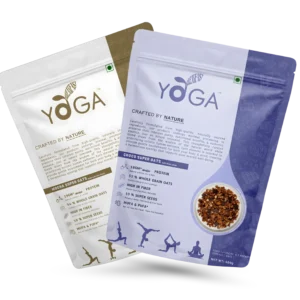
Many people find plain overnight oats too soft or mushy. Topping a bowl of YogaBreakfast Choco or Mocha Super Oats with 20g of Proskii Crunchy Protein Cereal Rings right before eating gives you the gut-friendly beta-glucan of oats plus a high-protein chocolate crunch.
5. “High-Protein” Breakfast Cereals: Marketing Gimmick or Actually Useful?
This is one of the most searched nutrition questions in India right now.
Walk down any supermarket aisle and you will see boxes claiming “Protein Power”, “Immunity Cereal”, or “Weight Watchers Flakes.”
But when you flip the box around under FSSAI labelling rules, two big tricks show up:
- The “With Milk” Calculation Trick: Many commercial cereals print “12g Protein per bowl” on the front—but in tiny font at the bottom, they admit that 8g of that protein comes from the 250ml of cow’s milk you pour in, while the cereal itself has only 4g of protein!
- The Sugar-Coated Soy Crisp Trick: Some mainstream mueslis add a few soy crisps to claim “High Protein,” while coating the flakes in 18g to 24g of refined sugar, liquid glucose, and palm oil per 100g.
How to Tell if a High-Protein Cereal Is Worth Buying (5-Point Check)
- Check Protein Per 100g (Dry Weight): Never judge by the “with milk” column. A true high-protein cereal should deliver 25g to 38g+ protein per 100g on its own.
- Check the Protein Source: Look at the first two ingredients. Is the protein coming from clean Pea Protein Isolate, Soy Protein Isolate, or Whey Isolate, or just plain wheat flour?
- Check Added Sugar and Maltodextrin: Look for 0g Added Sugar sweetened with natural Stevia, Monk Fruit, or Erythritol, and ensure Maltodextrin is not hiding in the ingredient list (see our full guide on how to read a supplement label in India).
- Check the Grain Base: Prefer slow-digesting Indian ancient grains like Sorghum (Jowar), Oats, or Ragi over refined maida or high-GI corn grits.
- Check Batch-Level NABL Lab Testing: Choose brands that verify their protein percentage in an independent NABL-accredited laboratory and share a scannable QR code on the box.
Popular High-Protein Cereals & Breakfast Options Available on FitBee
If you are specifically searching for the best high protein breakfast cereal in India, FitBee curates verified, clean-label options that you can compare by protein per 100g, sweetener type, and price:
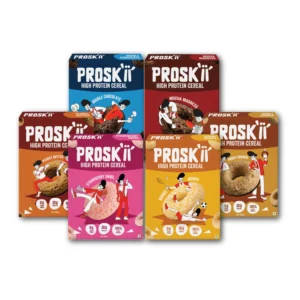
- Proskii 38g Plant Protein Cereal – Double Chocolate: Listed with 38.23g plant protein per 100g (~15g–18g per 40g bowl) from Soy Protein Isolate and Pea Protein on a slow-digesting Jowar and Tapioca base, with 0g added sugar (sweetened with Erythritol and Stevia) and an on-pack NABL lab report QR code.
- Proskii 38g Plant Protein Cereal – Peanut Butter Nutty Crunch: Delivers 38g–39g protein per 100g with a rich roasted peanut crunch, 100% vegan, gluten-free, and zero added sugar.
- Proskii 38g Plant Protein Cereal – Mocha Madness, Mango Munch & Strawberry Swirl: Fruit and coffee-infused crunchy rings delivering 37.8g to 38g plant protein per 100g with zero added sugar and zero preservatives.
- Raiville’s High Protein Kesar Almond Oats (25% Protein): A crunchy oatmeal and Jowar flakes blend delivering 25g protein per 100g from whey, soy, and oats, infused with real saffron (kesar), almonds, raisins, and organic jaggery.
- YogaBreakfast Mocha & Choco Super Oats (18.8g–19g Protein): A 100% soy-free and whey-free overnight oats cereal with Pea Protein Isolate, 51%–54% whole-grain oats, and 10% pumpkin, chia, and flax seeds.
6. Breakfast Cereal Nutrition: Regular Cornflakes vs. 38g Protein Cereal
Always check the back nutrition table per 100g before buying. Here is how a standard supermarket cereal compares to a clean 38g protein cereal:
| Nutrient (Per 100g Dry Weight) | Regular Supermarket Cornflakes / Choco Cereal | Clean High-Protein Cereal (e.g., Proskii on FitBee) |
| Protein | 6g to 8g | 37.8g to 39g (Nearly 5x higher) |
| Added Refined Sugar | 12g to 28g (Sucrose, Liquid Glucose, Malt) | 0g Added Sugar (Sweetened with Erythritol & Stevia) |
| Primary Carbohydrate Source | High-GI Corn Grits or Refined Wheat (Maida) | Slow-Digesting Sorghum (Jowar) & Prebiotic Tapioca |
| Gluten Status | Contains gluten (from wheat/barley malt) | 100% Gluten-Free |
| Blood Sugar & Energy Impact | Rapid glucose spike; hungry again in 60–90 mins | Steady, sustained energy that lasts until lunch |
How Many Calories and Protein Are in a 40g Bowl of Protein Cereal?
A standard 40g dry serving of a 38g-per-100g protein cereal provides roughly 150 to 160 kcal and 15g to 18g of pure plant protein. When you pour 200ml of milk or Oatey protein oat milk over it, your bowl reaches 21g to 25g of protein under 280 kcal.
7. High-Protein Cereal vs. Other Indian Breakfast Foods
How does a high-protein cereal compare to the everyday breakfasts served in Indian homes?
Protein Cereal vs. Poha
- Poha is light and familiar, but a standard 150g bowl gives only 4g to 5g of protein and ~35g of fast-digesting rice carbs.
- High-Protein Cereal gives 15g to 18g of protein before milk, with zero cooking time. (If you eat poha, add sprouts, peanuts, and a side protein shake to balance the macros.)
Protein Cereal vs. Upma & Idli-Sambar
- Upma (suji/semolina) and Idli (rice + urad dal batter) provide roughly 5g to 8g of protein per plate and digest rapidly.
- High-Protein Cereal triples the protein count per calorie and eliminates morning kitchen prep on busy workdays.
Protein Cereal vs. Paratha
- Two plain aloo or gobhi parathas with butter pack 400 to 500+ calories but only 8g to 10g of protein.
- A bowl of High-Protein Cereal gives twice the protein at nearly half the calories, making it far easier to stay in a fat-loss calorie deficit.
Protein Cereal vs. Muesli & Granola
- Muesli and Granola combine oats with nuts, seeds, and dried fruits, but commercial versions often coat the grains in palm oil, honey syrup, and 15g–20g of sugar, pushing calories to 420–480 kcal per 100g with only 10g–12g protein.
- High-Protein Cereal keeps fats and sugars minimal while delivering 38g protein per 100g.
Protein Cereal vs. Dalia (Broken Wheat)
- Dalia is a nutritious whole-wheat porridge rich in fibre (about 10g–12g protein per 100g raw), but it contains gluten and requires 15–20 minutes of pressure cooking.
- High-Protein Cereal is 100% gluten-free, ready in 10 seconds, and offers 3x more protein per 100g.
8. High-Protein Cereal for Diabetes, Blood Sugar & PCOS
Can Diabetics or People with PCOS Eat High-Protein Cereal?
In many cases, yes — provided you choose a true 0g added sugar, maltodextrin-free formula.
Standard breakfast cereals are one of the worst foods for blood sugar and insulin resistance (including PCOS and prediabetes) because refined cornflakes have a glycemic index (GI) above 80.
A clean-label protein cereal like Proskii replaces refined corn/wheat with:
- 38% Pea & Soy Protein Isolate (which slows gastric emptying and blunts post-meal glucose spikes)
- Sorghum (Jowar) (a low-to-moderate GI Indian ancient millet)
- Zero-glycemic Erythritol and Stevia (which do not raise blood glucose or insulin)
Note: If you have diabetes or take blood-sugar medication, always check the carbohydrate count per serving and consult your doctor or dietitian for personalised portion guidance.
9. Digestion, Bloating & Gut Health: Does Plant Protein Cereal Cause Gas?
Do High-Protein Cereals Cause Bloating?
Most people digest extruded plant-protein cereal rings much more easily than raw legume powders or heavy lactose-rich shakes.
Why? Because during the cooking and puffing process of making cereal rings, heat breaks down complex plant starches and anti-nutrients (like phytic acid), while prebiotic Tapioca Starch supports beneficial gut flora.
Tips for Sensitive Stomachs
- Avoid dairy lactose if sensitive: Pair your cereal with Oatey Unsweetened Barista Oat Milk or Sprouted Millet Milk instead of regular cow’s milk.
- Drink adequate water: Higher-protein and higher-fibre breakfasts work best when you stay hydrated through the morning.
- Support your microbiome: If you struggle with chronic indigestion or IBS, explore FitBee’s Gut & Hydration collection or our guide to fermented yeast protein.
10. Best High Protein Breakfast Cereal & Oats Brands in India (2026): 10 Names Compared
When you search “best high protein breakfast cereal in India” or “best protein muesli and oats India”, these are the 10 brands most frequently compared by Indian buyers—along with the exact search queries people use to evaluate them:
1. Proskii (Featured on FitBee)
- Popular searches: Proskii protein cereal, Proskii 38g plant protein cereal review, Proskii double chocolate vs mango munch, zero sugar cereal India
- Why shoppers pick it: Delivers 37.8g to 39g plant protein per 100g from Soy and Pea Protein Isolates on an ancient Jowar grain base, with 0g added sugar (sweetened with Erythritol & Stevia), 100% vegan & gluten-free certification, and an on-pack QR code for batch NABL lab reports. Available on FitBee in Double Chocolate, Peanut Butter Nutty Crunch, Mocha Madness, Mango Munch, Strawberry Swirl, and Honey Crunch (₹889–₹899 for Pack of 2).
2. YogaBreakfast (Featured on FitBee)
- Popular searches: YogaBreakfast super oats, YogaBreakfast mocha super oats, soy free vegan overnight oats India
- Why shoppers pick it: A 100% soy-free and whey-free high-protein breakfast cereal/overnight oats option delivering 18.8g to 19g pea protein per 100g, 51%–54% whole-grain oats, and 10% pumpkin, chia, and flax seeds, naturally sweetened with dates and jaggery (₹379 for 400g on FitBee).
3. Raiville’s (Featured on FitBee)
- Popular searches: Raiville’s high protein kesar almond oats, Raiville’s dark chocolate oats, Raiville’s 30% mawa fudge peanut butter
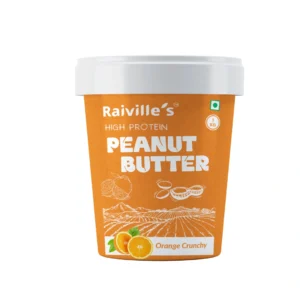
- Why shoppers pick it: Combines wholesome oats with crunchy Jowar flakes, whey protein, and soy protein to deliver 25g protein per 100g, flavoured with real saffron (kesar), almonds, raisins, and organic jaggery (₹499 for 1kg on FitBee). Pairs seamlessly with Raiville’s palm-oil-free 24%–30% protein nut butters.
4. Open Secret (Featured on FitBee)
- Popular searches: Open Secret high protein oats chocolate, Open Secret breakfast bowl review
- Why shoppers pick it: An accessible, family-friendly everyday protein bowl delivering 15g protein per serving on a rich rolled-oats base (₹524 for 1kg on FitBee).
5. Oatey (Featured on FitBee)
- Popular searches: Oatey 18g protein coffee oat milk, Oatey barista oat milk India, Oatey sprouted millet milk
- Why shoppers pick it: India’s clean plant-milk innovator offering a ready-to-drink 18g Plant Protein Coffee Oat Milk with MCT oil and Vitamins B12 & D3 (0g added sugar, ₹499 for Pack of 4 on FitBee), plus unsweetened Oat and Millet milks ideal for pouring over protein cereal.
6. Yoga Bar
- Popular searches: Yoga Bar high protein muesli, Yoga Bar protein oats review, Yoga Bar dark chocolate muesli
- Market comparison note: One of India’s best-known retail muesli and bar brands, offering 10g–15g protein per serving across muesli variants. When comparing with 38g protein cereals like Proskii, check the back label for total protein per 100g and added sugar across different flavours.
7. Pintola
- Popular searches: Pintola high protein oats, Pintola high protein muesli, Pintola peanut butter vs Raiville’s
- Market comparison note: Popular among gym-goers for nut butters and high-protein oats. Always compare per-100g protein, sweetener source, and calorie density based on whether you are cutting or bulking.
8. MuscleBlaze
- Popular searches: MuscleBlaze high protein muesli, MuscleBlaze protein oats, MuscleBlaze breakfast cereal
- Market comparison note: A major sports-nutrition brand offering soy/whey-fortified muesli and oats aimed at bodybuilders. Compare ingredient simplicity and artificial sweetener preferences on the back panel.
9. Alpino & GOAT Life
- Popular searches: Alpino super oats, GOAT Life overnight oats, high protein breakfast bowls India
- Market comparison note: Frequently discussed in India’s high-protein oats and overnight breakfast segment alongside YogaBreakfast and Raiville’s.
10. Kellogg’s & Bagrry’s (Mainstream Supermarket Brands)
- Popular searches: Kellogg’s protein cereal India, Bagrry’s protein muesli, cornflakes vs protein cereal
- Market comparison note: Widely available in every grocery store, but traditional cornflakes and standard fruit mueslis are primarily carbohydrate sources (6g–10g protein per 100g). Always check the “Per 100g” protein and added sugar rows before buying.
11. Which High-Protein Breakfast Brand Is Best for Your Goal?
| Your Morning Goal | Best Pick on FitBee | Why It Fits |
| Maximum Protein Density (38g/100g) & 10-Second Prep | Proskii 38g Plant Protein Cereal | 15g–18g protein per 40g bowl, 0g added sugar, NABL batch QR code, crunchy rings |
| 100% Soy-Free & Whey-Free Overnight Oats | YogaBreakfast Mocha / Choco Super Oats | 18.8g–19g pea protein/100g + 10% chia, flax & pumpkin seeds, sweetened with dates |
| Desi Kesar Flavour + Crunchy Jowar & Oats (25% Protein) | Raiville’s High Protein Kesar Almond Oats | 25g protein/100g (whey + soy + oats), real saffron & almonds at ₹499/kg |
| Budget-Friendly Everyday Family Chocolate Oats | Open Secret High Protein Oats (1kg) | 15g protein per serving, high fibre, ₹524 for a 1kg pack |
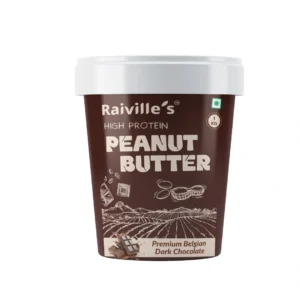
| 30% Protein Palm-Oil-Free Breakfast Spread | Raiville’s 30% Mawa Fudge / 27% Mango Chia Peanut Butter | Up to 30g protein/100g, zero palm oil, zero trans fat |
| Lactose-Free Cereal Milk or Grab-and-Go Coffee Protein | Oatey 18g Protein Coffee Shake & Unsweetened Oat/Millet Milk | 18g plant protein + MCT oil + B12 & D3 in a ready-to-drink bottle |
12. Easy High-Protein Breakfast Bowl Recipes for Indian Kitchens
You don’t need a stove to put together a 25g to 35g protein breakfast:
1. The 10-Second Double Chocolate Crunch Bowl (~25g Protein)
- Ingredients: 40g Proskii Double Chocolate Cereal + 200ml chilled milk (or Oatey Oat Milk) + 1 tsp chia seeds + 4 sliced almonds.
- Method: Pour milk over cereal, top with seeds, and eat immediately while crunchy.
2. The High-Protein Yogurt Parfait Bowl (~28g Protein)
- Ingredients: 150g Greek yogurt / thick hung curd + 35g Proskii Strawberry Swirl or Mango Munch Cereal + 1 tbsp pumpkin seeds.
- Method: Layer thick curd in a bowl and top with crunchy fruity protein rings—perfect as a summer breakfast or 4 PM dessert swap.
3. The Overnight Mocha Protein Jar (~27g Protein)
- Ingredients: 50g YogaBreakfast Mocha Super Oats + 180ml milk + 1 tbsp Raiville’s Cookie & Cream or Mawa Fudge Peanut Butter + 15g Proskii Mocha Madness rings on top.
- Method: Soak the oats and milk overnight in the fridge; stir in peanut butter and top with crunchy cereal rings in the morning.
4. The Post-Workout Mass & Muscle Bowl (~40g Protein)
- Ingredients: 50g Raiville’s Kesar Almond Oats + 250ml milk + half scoop The Func. Lab Whey or Plant Protein + 1 sliced banana + 1 tbsp Fitspire Crunchy Chocolate Peanut Butter.
- Method: Cook or soak the oats, stir in the protein scoop and banana, and drizzle peanut butter on top.
Frequently Asked Questions About High-Protein Breakfast Cereals
1. What is the best high protein breakfast cereal in India?
Proskii 38g Plant Protein Cereal is one of the highest-protein clean-label breakfast cereals in India, delivering 37.8g to 39g of plant protein per 100g (~15g to 18g per 40g bowl) with 0g added sugar, a slow-digesting Sorghum (Jowar) grain base, and batch-level NABL lab report QR codes on every box.
2. Are high-protein breakfast cereals actually healthy?
Yes, when the back label confirms whole plant or dairy protein isolates (pea, soy, or whey), a whole-grain base (like Jowar or oats), 0g added refined sugar, and zero maltodextrin or palm oil.
3. Can I eat protein cereal every day?
Yes. A clean, zero-sugar protein cereal can be eaten daily as a quick morning meal or post-workout snack to help meet your daily protein requirement.
4. Is protein cereal good for weight loss?
Yes. Because it delivers 15g–18g of protein per 40g serving at roughly 150–160 kcal with zero added sugar, it keeps you full for 4 to 5 hours and prevents mid-morning junk snacking.
5. How much protein is in Proskii cereal compared to regular cornflakes?
Regular commercial cornflakes provide only 6g to 8g of protein per 100g (~2.5g–3g per bowl), whereas Proskii Plant Protein Cereal delivers 38g to 39g of protein per 100g (~15g–18g per bowl)—nearly 5 times more protein.
6. Which is better for weight loss: protein cereal or oats?
Both work equally well in a calorie deficit. Choose protein cereal if you want higher protein per gram (38g/100g), zero cooking time, and a crispy crunch. Choose protein oats (like YogaBreakfast or Raiville’s) if you prefer warm porridge or overnight oats rich in beta-glucan fibre.
7. Which is healthier: protein cereal or muesli?
Clean zero-sugar protein cereal is generally higher in protein (38g/100g vs 12g–15g/100g in muesli) and lower in calories and sugar than commercial fruit-and-nut mueslis, which often contain added honey syrups and vegetable oils.
8. Can diabetics eat zero-sugar protein cereal?
Many people with diabetes or insulin resistance prefer zero-sugar, Jowar-based protein cereals sweetened with Erythritol and Stevia over high-GI cornflakes or poha. However, always check total carbohydrates on the label and consult your physician.
9. Does plant-based protein cereal contain gluten or dairy?
Proskii Plant Protein Cereal is 100% Vegan, Dairy-Free, and Certified Gluten-Free, making it safe for lactose-intolerant and gluten-sensitive individuals when paired with plant-based milk like Oatey.
10. Can I eat protein cereal at night for weight loss or muscle recovery?
Yes. A measured 30g–40g bowl of zero-sugar protein cereal with warm milk or yogurt makes a great late-night high-protein snack if you haven’t hit your daily protein target.
11. Can children and teenagers eat clean-label protein cereal?
Yes, clean-label cereals made from pea/soy protein and Jowar with zero artificial colours or preservatives are a much healthier alternative to high-sugar commercial kids’ choco cereals. For specific paediatric dietary needs, consult your family doctor.
12. Why do some breakfast cereals make me sleepy by 11 AM?
Traditional high-carb, low-protein cereals (and plain poha/upma) cause a sharp spike in blood glucose followed by a rapid insulin drop—known as reactive hypoglycemia—which leaves you feeling sleepy, foggy, and hungry by mid-morning.
13. Can I eat protein cereal dry as an office snack without milk?
Yes! Crunchy ring formats like Proskii Double Chocolate, Mango Munch, Peanut Butter, and Mocha Madness are designed to be eaten either with milk/yogurt or straight out of the pack as a zero-sugar 5 PM office snack.
14. How do I check if a breakfast cereal’s protein claim is real?
Look for brands that provide batch-level NABL third-party laboratory testing (such as the scannable QR code on every Proskii box) and buy from verified clean-label marketplaces like FitBee.
15. Where can I buy genuine high-protein breakfast cereals and oats in India?
You can compare and shop verified, NABL-tested breakfast cereals, overnight super oats, palm-oil-free 30% protein nut butters, and dairy-free oat milks directly on FitBee’s Healthy Breakfast store.
The FitBee Take
A breakfast cereal box isn’t automatically healthy just because it sits in the “fitness” aisle — and it isn’t automatically junk either.
The difference comes down to a simple formula:
Protein Per 100g + Grain Base + Added Sugar + Independent Lab Proof
The real question isn’t:
“Should I eat cereal, oats, or poha for breakfast?”
It’s:
“Does my morning bowl actually give me 20g+ of clean protein without hidden sugar — and does the back label prove it?”
Decode the label. Compare the per-100g numbers. Check the sweetener. Then decide.
For verified clean-label breakfast options on FitBee — India’s No-Junk Zone, explore:
- Proskii 38g Plant Protein Cereal Collection (Double Chocolate, Peanut Butter, Mocha, Mango & Strawberry)
- YogaBreakfast 19g Pea-Protein Overnight Super Oats (Soy-Free & Whey-Free)
- Raiville’s 25% Protein Kesar Almond Oats & 30% Mawa Fudge Peanut Butter
- Open Secret High Protein Chocolate Oats (1kg)
- Oatey 18g Plant Protein Coffee Drink & Unsweetened Oat/Millet Milk
- Explore All 40+ Healthy Breakfast Products on FitBee →
Related guides: Best Oats in India (2026) · 100g Protein a Day on an Indian Veg Diet · How to Read a Supplement Label in India · Yeast Protein Complete Guide · Where to Buy Genuine Supplements in India
Disclaimer: This content is for educational and informational purposes only and is not personalised medical advice. Consult a qualified doctor or registered dietitian before making major dietary changes, especially if you have diabetes, kidney disease, food allergies, or other medical conditions.
Shop Lab-Tested High-Protein Healthy Breakfast on Fitbee
Every product on Fitbee is 100% authentic, FSSAI-verified, and shipped directly from the official brand with zero middlemen.